
1 kit, done at home
- Heart
- Liver
- Blood sugar
- Thyroid
Cardiovascular risk
- Total cholesterol
- LDL cholesterol
- HDL cholesterol
- Triglycerides
Liver function
- ALT
- AST
- GGT
Diabetes risk
- HbA1c
- Fasting glucose
Thyroid function
- TSH
Reviewed by your clinical team
The at-home blood test
One kit, done at home, screens four areas that shape your health and your weight.
- Needle-free Tasso+ device: no finger prick, no clinic visit
- Every result reviewed by your clinical team
- Most members find at least one out-of-range result on their first test
- Included with every plan: a baseline test, then a retest every 6 months
Included
Blood tests worth £100, included at no extra cost with your plan, every six months.
Get startedHow you start, in 3 steps
-

Check
Check your eligibility
Fill in a short set of online questions so a clinician can check whether treatment may be suitable for you.
-
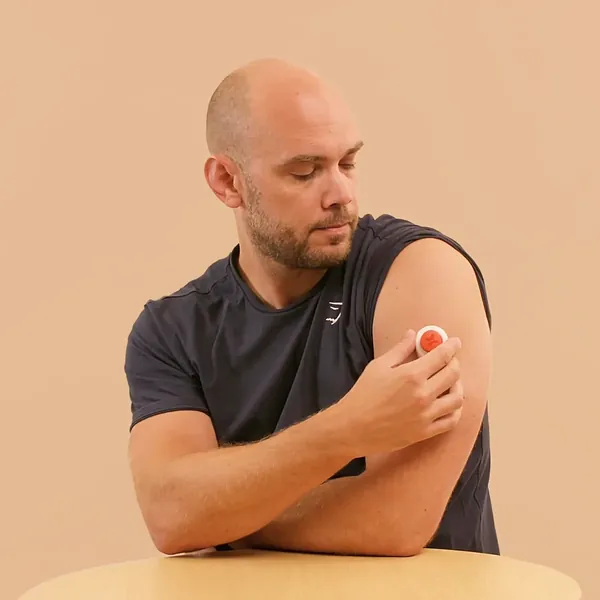
Test
Take your blood test
Complete your included needle-free blood test to understand your current health.
-
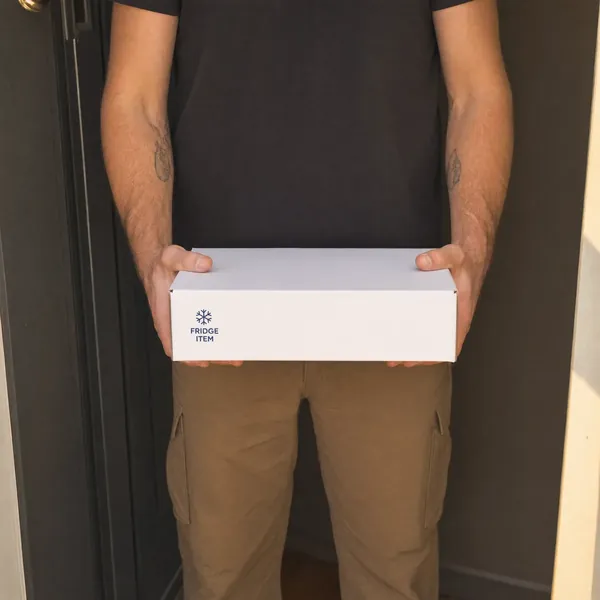
Treat
Receive your treatment
A clinician reviews your blood test first. If they approve treatment, we deliver it the next working day, discreetly packaged, with delivery included in your plan.


The blood test is the point
In April 2026 the pharmacy regulator reported cases where weight-loss treatment was approved on a self-declared online questionnaire alone, and told prescribers to verify rather than rely on it. [1] HeMed starts with a blood test.
-
See what the scale can’t
- Heart
- Liver
- Blood sugar
- Thyroid
High cholesterol, for example, does not usually cause symptoms: the NHS says you can only find out from a blood test. [2]
-
Treatment that fits your biology
Your clinician sees your baseline before your plan is confirmed, so decisions are made on your results.
-
What’s changing inside
Retests every 6 months show your markers side by side, so you and your clinician see what’s moving.
-
Easy, and included
Needle-free and done at home in minutes. Included in every plan, at the start and every 6 months.
What we measure [5]
- 10markers
- 4systems
- 6months between tests
HeMed measures 10 key biomarkers throughout your plan.
Cardiovascular risk
Total cholesterol
The overall amount of cholesterol in your blood: the headline number for heart health.
LDL cholesterol
The carrier cholesterol that can build up in artery walls. Lower is generally better.
HDL cholesterol
The clean-up cholesterol that helps move excess cholesterol away. Higher is generally better.
Triglycerides
The fats your body stores and burns for energy. High levels are linked to a higher risk of heart and circulatory disease.
Liver function
ALT
An enzyme that leaks into the blood when liver cells are under strain.
AST
A second liver enzyme, read alongside ALT for a fuller picture.
GGT
An enzyme that rises with liver stress, including from alcohol.
Diabetes risk
HbA1c
Your average blood sugar over roughly the past three months.
Fasting glucose
Your blood sugar level after a period without food.
Thyroid function
TSH
The signalling hormone that tells your thyroid how hard to work. Out-of-range values can affect weight.
Included with every plan
Your £100 health check-up is included at no extra cost, whichever plan you choose.
From £59 / month
First month for new customers on a 12-month plan, at the starting dose. Everything included.
- First payment
- from £59
- Then, every 28 days
- from £139
- 12-month plan
- 13 payments
A blood test without needles or clinics
1 in 10
Needle phobia affects at least 1 in 10 people, according to NHS patient information; [3] the at-home kit takes the clinic, and the needle, out of the picture.
- Tasso+ device
- Lancet and gentle vacuum suction
- Less than a teaspoon of blood
- Under five minutes
Questions, asked and answered
What does the blood test screen for?
Four key areas linked to weight and metabolic health: cardiovascular risk (total cholesterol, LDL, HDL and triglycerides), liver function (ALT, AST and GGT), diabetes risk (HbA1c and fasting glucose) and thyroid function (TSH). 10 markers in all.
How accurate is the at-home test?
The Tasso+ device is a clinically validated capillary blood collection method. In a 2026 study of 105 people, HbA1c and cholesterol results from posted Tasso+ samples closely matched venous blood draws. [4]
Is the blood test included in my plan?
Yes. Your health check, worth £100, is included at no extra cost: a baseline test at the start and a retest every 6 months.
Is the at-home blood test painful?
No. The device uses a small lancet and gentle vacuum suction rather than a needle draw, and collects less than a teaspoon of blood.
What happens if my results come back out of range?
It’s common: 99% of members find at least one out-of-range result on their first test. Your clinician reads every result in context and builds your plan around what they see; one out-of-range marker is rarely a reason for concern on its own.
How long do results take?
Results are typically ready within 48 hours of your sample reaching the lab.
How often is the health check repeated?
A baseline test before any plan begins, then a retest every 6 months, so your clinical team can track how your health is changing.
What happens if I’m not eligible?
We put your health first. If your blood test shows the plan isn’t suitable for you, we explain why and refund your first payment in full. The terms set out when a refund applies.
Can I take the health check if I’m on other medication?
Yes, in most cases. List any medication you take in the eligibility check and a clinician will review it before any plan begins.
Sources (5)
- General Pharmaceutical Council, "Weight management medicines and services: a review of GPhC inspections and concerns", April 2026: concerns included cases "where BMI could be self-declared through online questionnaires alone"; prescribers are told to "independently verify medical history as well as weight and height to determine BMI, rather than relying solely on self-reported questionnaires". pharmacyregulation.org (PDF). Accessed 22 September 2026.
- NHS, "High cholesterol" (page last reviewed 13 March 2026): "High cholesterol does not usually cause symptoms. You can only find out if you have it from a blood test." nhs.uk/conditions/high-cholesterol. Accessed 22 September 2026.
- Guy's and St Thomas' NHS Foundation Trust, "Needle phobia and overcoming your fear" (reviewed May 2024): "It is very common and affects at least 1 in 10 people." guysandstthomas.nhs.uk. Accessed 21 September 2026.
- Hoffmeister L and colleagues. "Concordance of HbA1c, creatinine, LDL cholesterol, HDL cholesterol, and total cholesterol between venous and self-collected capillary blood samples sent by mail." Journal of Diabetes Investigation 2026;17(8):1419 to 1431 (105 participants, Tasso+ device). doi.org/10.1111/jdi.70359. Accessed 22 September 2026.
- Marker descriptions: NHS, "High cholesterol" (reviewed 13 March 2026), nhs.uk/conditions/high-cholesterol; NHS England Digital, Health Survey for England 2024, "Adults' health" (HbA1c reflects average blood sugar over the previous two to three months), digital.nhs.uk; NHS, "Underactive thyroid: symptoms" (reviewed 28 April 2025), nhs.uk; Association for Laboratory Medicine, Lab Tests Online UK, "Alanine aminotransferase (ALT) test", labtestsonline.org.uk. Accessed 22 September 2026.
Numbered markers in the page text link to these entries. Statistics describe populations, not any one person’s results.